
Grain Detective: Cracking the Carb-to-Fiber Code
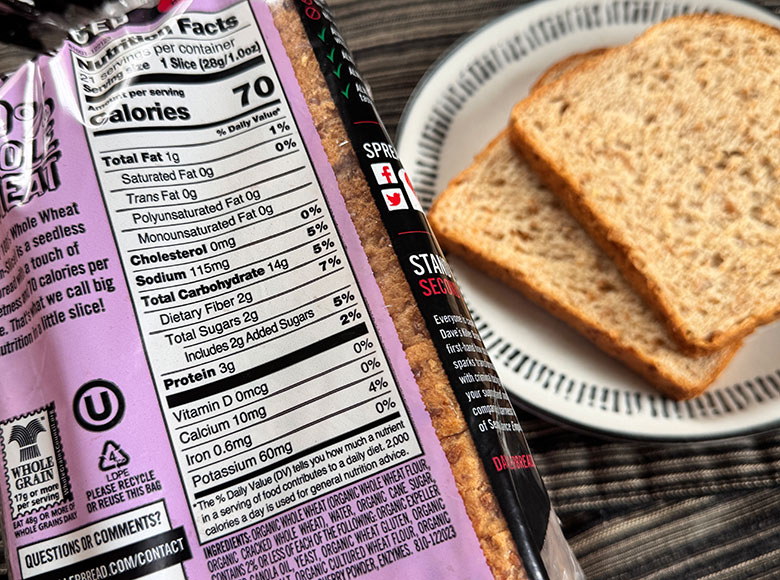
- A lower carbohydrate to fiber ratio indicates better whole grain quality
- High-quality whole grains should have a ratio of 10:1 or less
- The ratio helps identify products with more refined grains versus true whole grains
- Calculating this ratio is a simple way to make healthier food choices
The Whole Grain Mystery
Have you ever wondered if that "whole grain" bread or cereal is actually good for you? Not all whole grain products are created equal. One simple way to check the quality of a whole grain product is by looking at the carbohydrate to fiber ratio on the nutrition label. This ratio can tell you a lot about how nutritious the product really is.
Cracking the Carb Code
The carbohydrate to fiber ratio is calculated by dividing the total carbohydrates by the dietary fiber in a serving. The lower this number, the better the quality of the whole grain. High-quality whole grains typically have a ratio of 10:1 or less, meaning for every 10 grams of carbohydrates, there should be at least 1 gram of fiber. This ratio is important because fiber slows down digestion and helps prevent blood sugar spikes. Products with a higher ratio often contain more refined grains, which have been processed to remove the fiber-rich bran and germ.
Battle of the Breads
Let's look at some examples from real food labels. Imagine you're comparing two different loaves of bread that both claim to be "whole grain." Bread A has 24 grams of total carbohydrates and 4 grams of fiber per slice. To find the ratio, divide 24 by 4, which equals 6. 6:1 is an excellent ratio! Bread B has 22 grams of carbohydrates but only 1 gram of fiber, giving it a ratio of 22:1. This suggests that Bread B, despite its "whole grain" label, contains mostly refined grains and isn't as nutritious as Bread A.
Cereal Showdown
Breakfast cereals provide another good example. A high-quality whole grain cereal might have 30 grams of carbohydrates and 5 grams of fiber per serving, giving it a ratio of 6:1. Meanwhile, a cereal with 27 grams of carbohydrates and only 1 gram of fiber has a ratio of 27:1, indicating it's not a great whole grain choice. When shopping, you can quickly check this ratio on any product that claims to be made with whole grains. Just find the "Total Carbohydrate" and "Dietary Fiber" values on the nutrition facts label and divide the first number by the second.
Grocery Store Detective
Using the carbohydrate to fiber ratio is a simple trick that can help you make healthier food choices. Remember, a ratio of 10:1 or less usually indicates a good quality whole grain product. The next time you're grocery shopping, try calculating this ratio for different grain products. You might be surprised to discover which "whole grain" foods are truly nutritious and which ones aren't living up to their healthy packaging claims. This knowledge gives you the power to choose foods that will provide more nutrition and keep you feeling fuller longer.