
If there's one Ring that quietly does a lot of heavy lifting, it's your Fiber Ring.
Fiber supports healthy digestion, helps keep you feeling full between meals, steadies blood sugar, and feeds the healthy bacteria in your gut. Yet most people get far less fiber than they need each day.
Your goal is simple: 25+ grams of fiber each day.
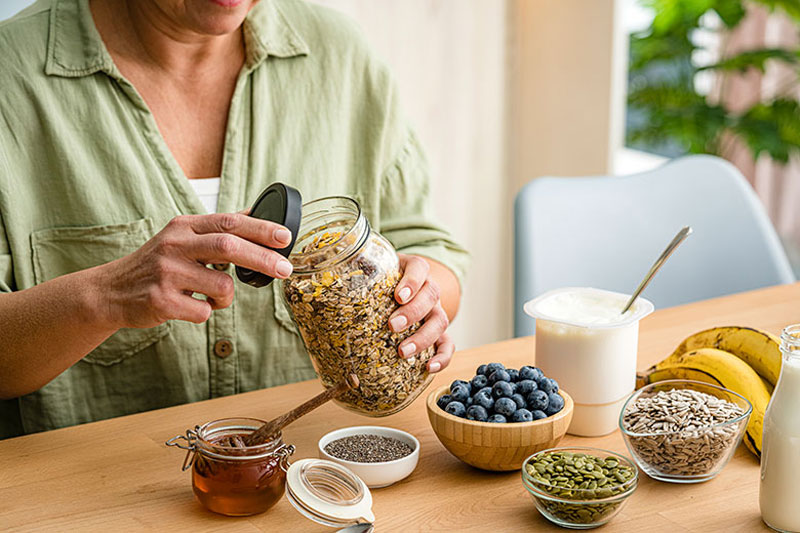
The good news? You don't need special foods or supplements to get there. Fiber is naturally found in many of the foods already featured in MedChefs recipes:
- Fruits
- Vegetables
- Whole grains
- Beans and lentils
- Nuts and seeds
Do those foods sound familiar?
When you focus on fiber, you'll often close your Fruits & Vegetables Ring, Whole Grains & Legumes Ring and Nuts & Seeds Rings. It's one of the simplest ways to reach your health goals and make progress across the board.
That's why we call the Fiber Ring the game behind the game.
How Do I Know If I'm Getting Enough?
As you log your meals and snacks throughout the day, your Ring fills in to show your progress toward 25 grams of fiber. And, feel free to eat more!
If you're following your MedChefs menu plan, we've already built fiber-rich foods into your recipes. If you're creating your own menus, your Fiber Ring will help guide you toward the foods that make the biggest difference.
Small Choices Add Up
Closing your Fiber Ring isn't usually about one giant fiber-rich meal. It's about making a few smart choices throughout the day.
Try adding:
- Oatmeal topped with berries at breakfast
- Beans or lentils to soups, salads, or bowls
- An apple, pear, or orange for a snack
- A handful of nuts or seeds
- Extra vegetables at lunch and dinner
- Popcorn instead of chips for an afternoon snack
You may be surprised how quickly the grams add up. One good choice can move several Rings forward at once.
A Quick Note About Fiber
If your diet has been low in fiber, you may notice a little extra gas, bloating, or digestive activity when you start eating more fruits, vegetables, beans, and whole grains. That's completely normal.
The best approach is to ease into it. Add an extra serving of fiber-rich foods every few days, drink plenty of water, and give your body time to adapt. Most people find that any initial discomfort passes as their digestive system gets used to the change.
And if you're not sure where to start, ask Ellie or Nick. They can help you create a plan that feels comfortable, realistic, and sustainable.
The Bigger Picture
Think of fiber as your daily support crew. It helps keep your digestive system running smoothly, nourishes your gut microbiome, and helps you stay satisfied after meals.
Every time you choose fruits, vegetables, whole grains, legumes, nuts, or seeds, you're moving your Fiber Ring closer to full.
And when that Ring closes, you're doing something meaningful for your health—one meal, one snack, and one good choice at a time.